
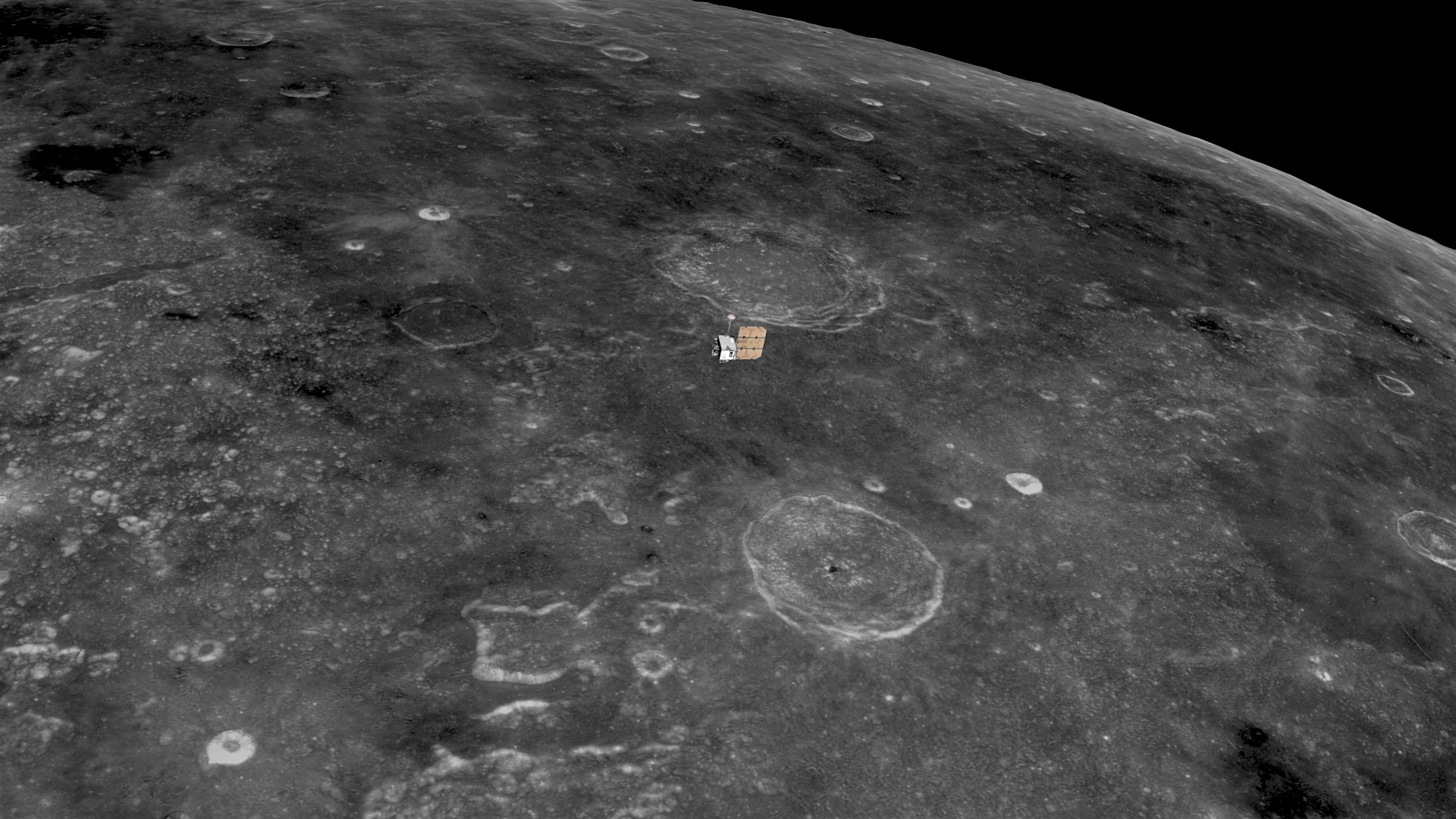
Bottom line: researchers are using unsupervised machine learning to flag visually unusual patches in Lunar Reconnaissance Orbiter imagery. The system recovered distinctive geology and known human spacecraft at statistically significant rates. That is a useful validation result—not a discovery of alien artifacts.
A planetary-scale search problem
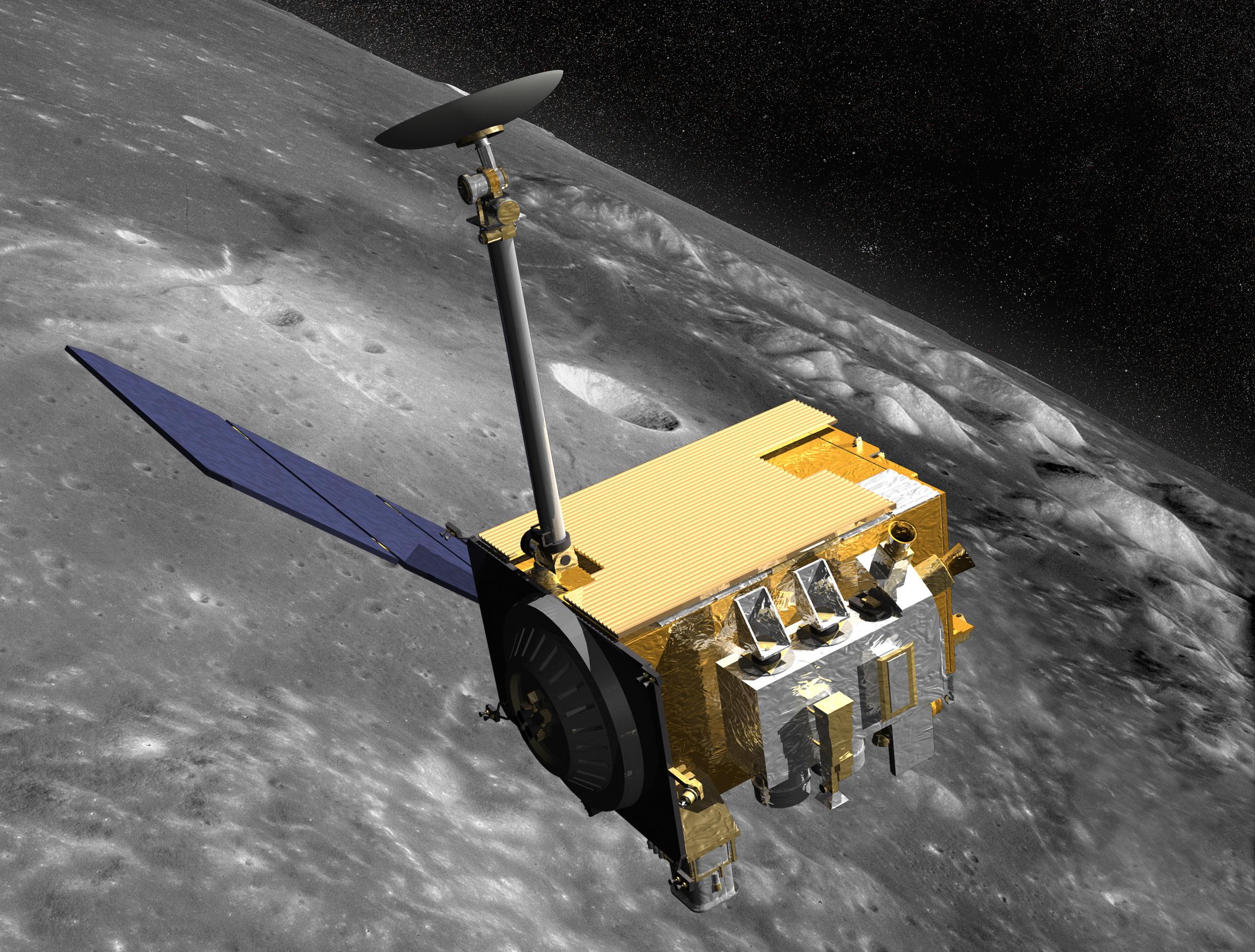
The Lunar Reconnaissance Orbiter has collected high-resolution images since 2009. Reviewing that archive manually is impractical. The new study tests a beta-variational autoencoder, a model that learns common visual patterns and ranks images that depart from them.
The model highlighted scientifically useful features including rockfalls, fresh impact craters, irregular mare patches, volcanic pits, and collapsed lava tubes. It also recovered known technological assets already present on the Moon. Those known sites serve as ground truth: if an anomaly system cannot find documented hardware, confidence in unknown candidates would be weak.
What the reported results mean
The authors report successful recovery of Plaskett Crater, Paracelsus C Crater, and numerous landed technological assets at a statistically significant rate. Earlier work by members of the research line likewise showed that deep generative models can preferentially retrieve unusual lunar features and known landing or crash sites from very large remote-sensing datasets.
Evidence limits
Verified: the study describes its model, test targets, and recovery results; LRO imagery provides the underlying observational archive; and known spacecraft can act as calibration targets.
Not verified: any extraterrestrial structure, unknown machine, or nonhuman technosignature on the Moon. “Anomaly” means statistically or visually unusual. Fresh geology, lighting, image artifacts, and human hardware can all be anomalous without being mysterious.
Why it is still exciting
A disciplined anomaly pipeline can reduce millions of image tiles to a reviewable candidate list. The next steps are reproducibility, false-positive measurement, comparison across lighting angles, and independent human review. The same approach could help planetary geology while also providing a transparent framework for rare-artifact searches.
The strongest feature of this work is methodological humility: test the detector on things we already know are present, quantify misses and false alarms, and only then examine unknown outliers. That is exactly how an extraordinary-search program earns credibility.
Sources: “A Machine Learning Based Search for Lunar Anomalies”; earlier planetary anomaly-detector paper; related 2026 lunar-hardware detection study.