
GOVERNMENT WATCH // AUGUST 15, 2026
The New York Post reported that the Department of War is “actively investigating” the whereabouts of two cellphone videos allegedly recorded by a service member on successive nights in 2023 near a Colorado military base. The outlet’s X post drew approximately 11,140 views, 74 likes, 18 reposts and eight replies within its first hour.
What has been reported
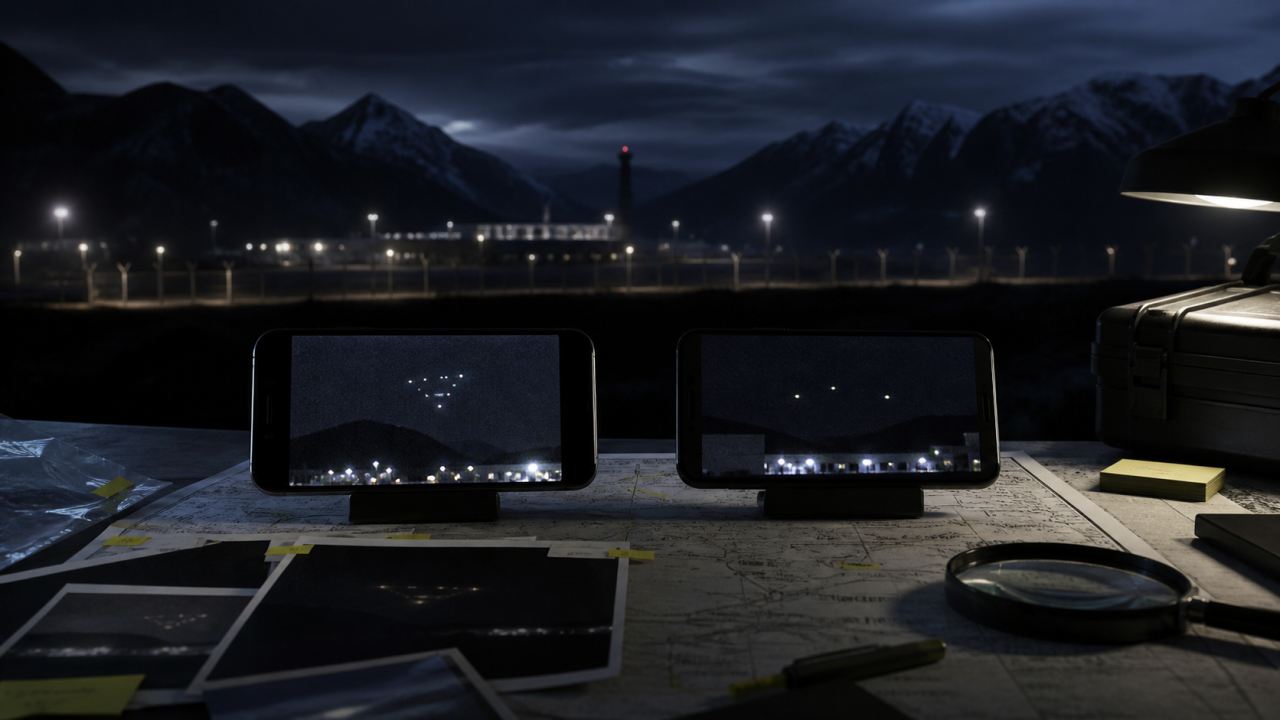
According to the Post, acting Pentagon press secretary Joel Valdez said the department would release what it finds through the government’s PURSUE UAP portal. The underlying report describes two clips said to show a roughly 100-foot triangular object moving near mountains and appearing to use clouds as camouflage.
Those details are allegations relayed by unnamed sources. The public has not been shown the original videos, their metadata, the recording device, the identity of the witness, the exact base or an authenticated Air Force record acknowledging custody. The reported investigation is therefore evidence that officials are looking for records—not evidence that the described object existed exactly as claimed.
Why the custody question comes first
Before analysts debate shape or performance, investigators need to establish whether the files exist and where they went. A service member’s phone may have been surrendered, copied, screened for classified material or returned. Each step should create logs, receipts, interview notes or digital-forensic artifacts. If no chain of custody can be reconstructed, the story remains vulnerable to memory errors and secondhand embellishment.
The minimum release package
- 🛸 The original files with hashes, metadata and a documented chain of custody.
- 🛸 A continuous timeline for both nights, including the minutes before and after each clip.
- 🛸 Witness interviews and the recording location, viewing direction and estimated range.
- 🛸 Air-traffic, radar, weather, satellite and base-operations data for the relevant windows.
- 🛸 A clear statement identifying what office received the recordings and what analysis was performed.
- 🛸 Redactions explained narrowly enough that independent reviewers can understand what remains withheld.
How to read the official interest
Government attention can be meaningful without validating an extraordinary interpretation. Officials may investigate because sensitive imagery is missing, because a service member reported an airspace event, because the story raises records-management questions, or because public allegations warrant a documented response. The inquiry’s existence narrows the dispute to testable administrative facts. It does not settle the object’s identity.
Assessment
Current confidence: Moderately high that a departmental records inquiry was publicly acknowledged, based on a named press official quoted by a major outlet; low on the alleged object’s size, performance and appearance until the original files are produced. The promised release channel creates accountability. The next measurable event is simple: either the department locates and publishes the evidence package, explains lawful withholding, or documents that the videos could not be found.
Sources: New York Post on X and the linked report. Engagement figures were observed during review and may change.