
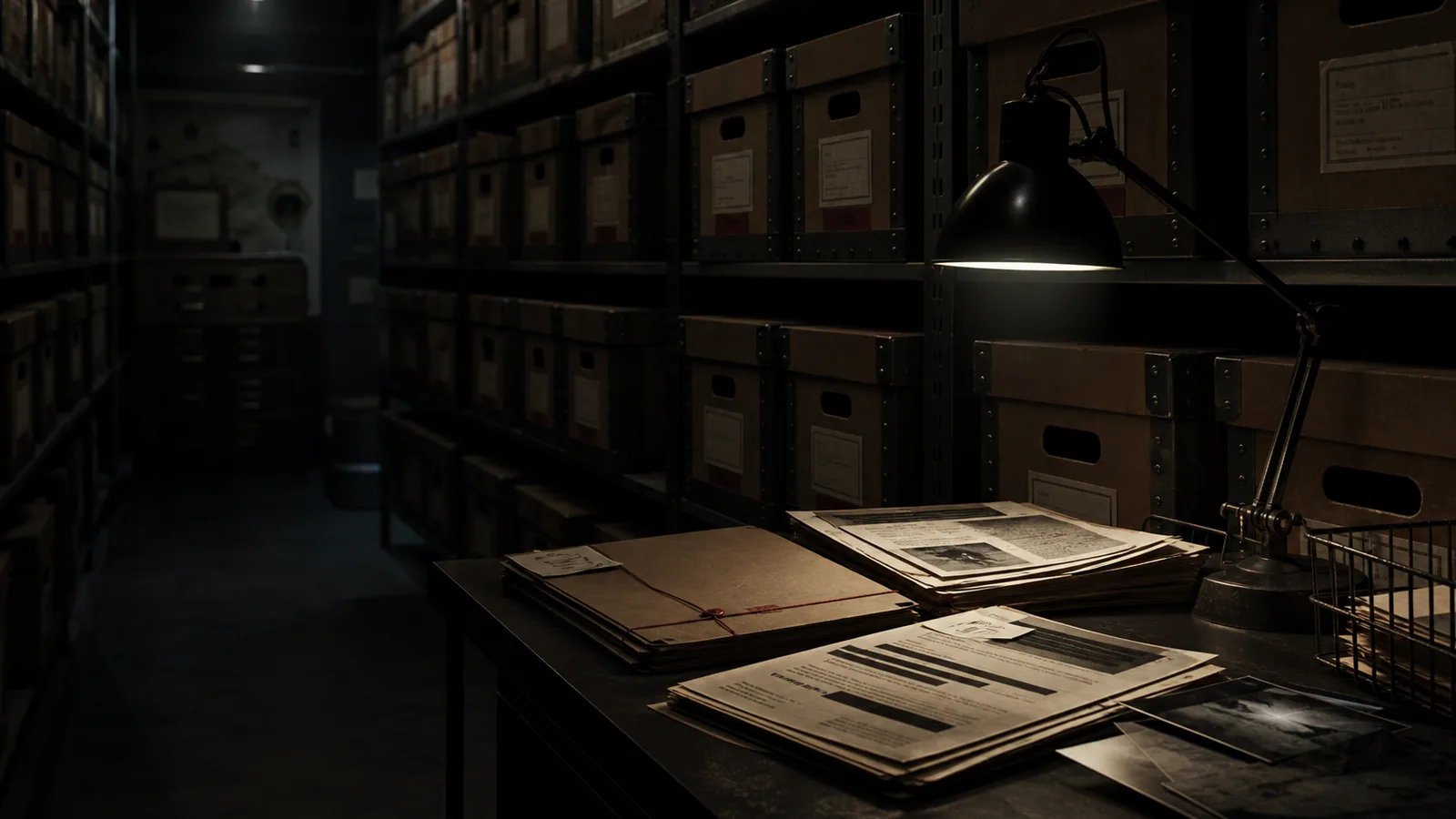
The National Archives has created a dedicated institutional home for federal UAP material: Record Group 615, the Unidentified Anomalous Phenomena Records Collection. That is real infrastructure for disclosure, but it needs to be read carefully.
What a record group accomplishes
A dedicated record group allows agencies and researchers to identify UAP-related transfers under a common archival structure. It gives the public a stable reference point and reduces the chance that relevant material remains scattered across unrelated agency collections.
Cataloged does not always mean digitized
Archival custody, catalog metadata, digital availability and substantive completeness are different milestones. A record may be scheduled or transferred without every page being online. Descriptions can also be broad, and access restrictions may still apply to particular material.
How to audit the collection
The useful questions are concrete: which originating agency transferred the record, what date range it covers, whether digital files are attached, what restrictions remain, and whether the transfer includes native media and technical metadata. Those details matter more than the size of a headline document count.
The field-intel takeaway
Record Group 615 is best understood as a disclosure ledger, not a verdict about UAP origins. Its long-term value will be measured by the completeness, provenance and accessibility of the records that agencies place inside it.