
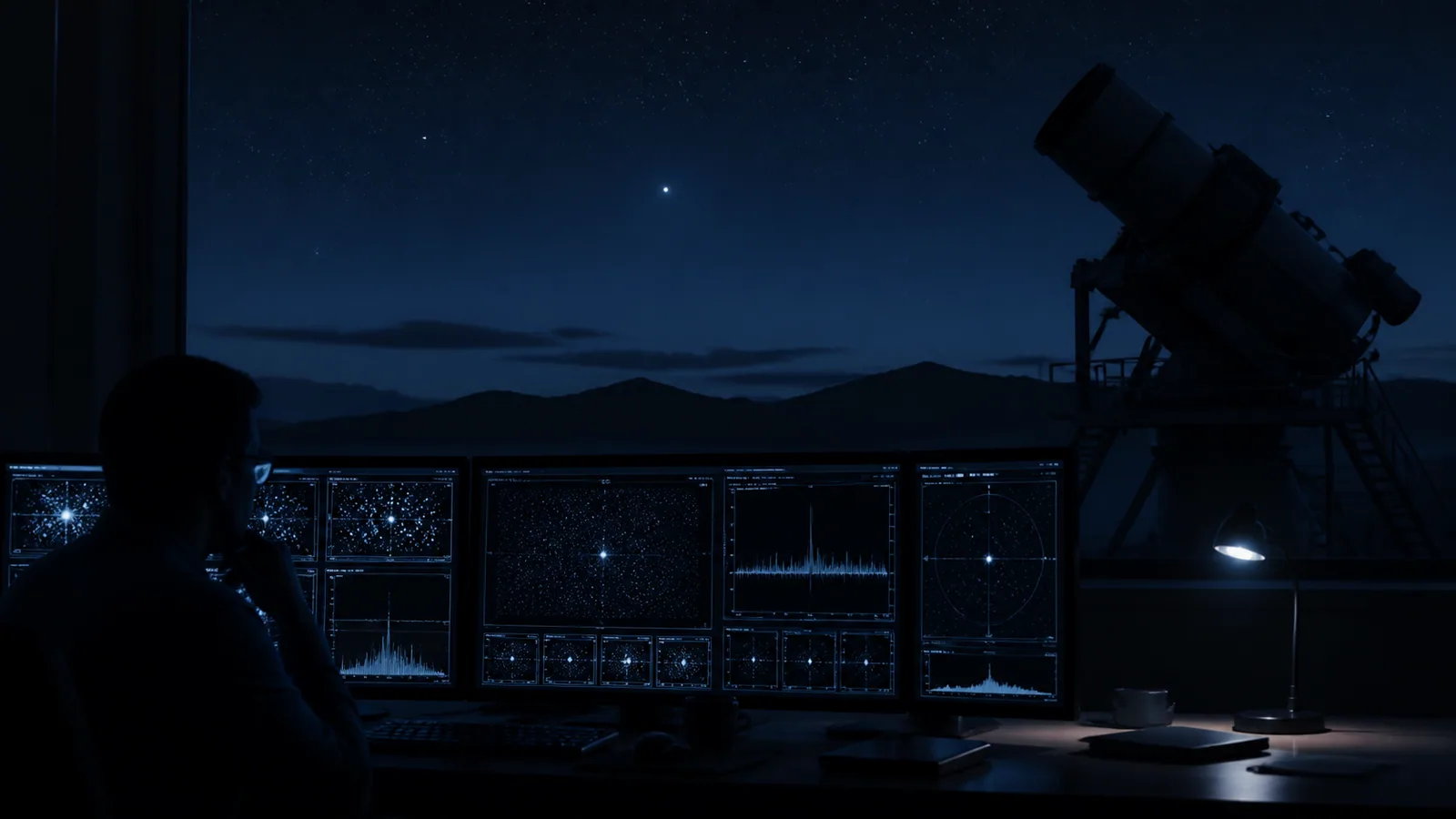
NASA’s public position on UAP is deliberately narrower than much of the online debate. The agency supports a rigorous, data-driven investigation of unexplained observations while stating that it has found no credible evidence of extraterrestrial life and no evidence that UAP are extraterrestrial.
Why both statements matter
“Unidentified” describes the state of an observation, not the origin of an object. Treating every unresolved report as ordinary would close the inquiry too early. Treating the same report as alien technology would skip the evidentiary work entirely.
The scientific bottleneck
NASA’s independent study emphasized calibrated sensors, standardized reporting, metadata, open data and reduction of stigma. Those recommendations address the recurring weakness in UAP cases: observations are often collected for another mission, stripped of context, or shared without the information needed for independent analysis.
Coordination is not confirmation
NASA says it will make its expertise and materials available to the government’s UAP investigators. That coordination is evidence of a formal research process, not an endorsement of extraordinary origin claims.
The field-intel takeaway
The strongest UAP posture is neither reflexive dismissal nor premature belief. It is to improve collection, preserve provenance, test ordinary explanations and clearly label what remains unknown. NASA’s wording draws that line with unusual precision.